
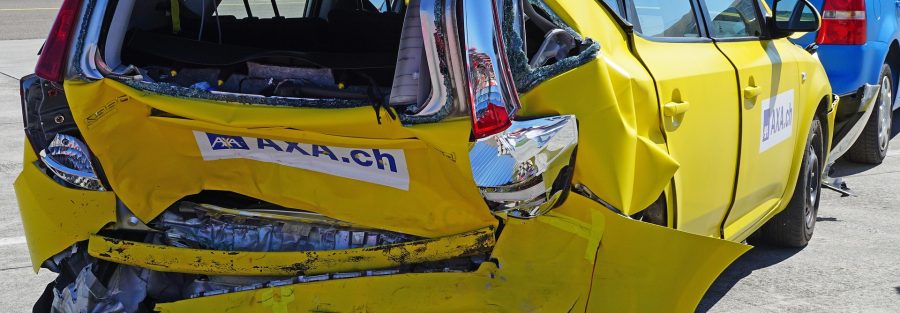
No matter how cautious you are behind the wheel, there is always some risk. Car crash protection is intended to provide you peace of mind by protecting your vehicle, finances, and health in the case of an accident. The correct coverage guarantees that a single collision does not turn into a financial nightmare by covering repair costs and medical fees as well as protecting you from liability claims. In today’s uncertain roadways, having dependable auto crash protection isn’t just sensible; it’s a must for any driver who wants to be safe, secure, and prepared for the unexpected.
Car Crash Protection
Car crash protection is a type of coverage that provides financial and legal protection in the event of a car collision. Even little fender benders may be costly, and large accidents can result in thousands of dollars in repairs, medical expenses, or legal fees. With the right coverage, you won’t have to pay out of pocket for vehicle damage, injuries to yourself or others, or even property damage caused to another person’s automobile or property.
Car crash prevention consists of numerous components. Collision coverage compensates for repairs to your own vehicle following an accident, regardless of who was at fault. Liability coverage protects you if you are responsible for someone else’s injuries or property damage. Some insurance also include comprehensive coverage, which covers losses from theft, vandalism, and natural catastrophes. In addition, medical or personal injury protection might pay for hospital fees, rehabilitation, or missed income if someone is injured in an accident.
The main advantage of car collision prevention is peace of mind. Driving is always risky, but having insurance or protection guarantees that a collision does not wreck your finances or expose you to lawsuits. It is not enough to simply follow the law; you must also be prepared for the unexpected and safeguard yourself, your passengers, and your assets.
How to Protect your Family in Case of An Accident
Here are simple methods to protect your family in the event of a car accident.
1. Get the right insurance coverage
Having the proper insurance is the cornerstone of protecting your family. It’s not enough to simply have a policy; you also need to have enough coverage. For example, life insurance should be adequate to cover key expenses such as your mortgage, children’s schooling, and everyday living costs for several years.
Health insurance should cover hospitalization, drugs, and emergency services, whereas auto insurance should cover accident, liability, and injury protection. You should also examine your plans on a regular basis to ensure they are still appropriate for your current lifestyle, income, and family size. The idea is to ensure that if an accident occurs, your family does not suffer financial difficulty or debt.
2. Build an emergency fund
An emergency fund serves as a financial cushion for your family in the event of an unforeseen situation. Accidents can result in a temporary loss of income, unexpected medical expenditures, or needed repairs. Without savings, these expenses might rapidly become burdensome.
Start small if necessary, but strive to progressively accumulate 3-6 months’ worth of costs. Keep this money in a separate, easily accessible account so you can use it in an emergency. This fund allows your family to breathe easier and reduces the need for loans or credit during difficult times.
3. Create a financial plan and budget
A well-structured financial strategy keeps your family stable even if your income is disturbed. This includes keeping track of monthly expenses, avoiding excessive spending, and managing debt responsibly. Paying off high-interest debt early, for example, can relieve financial stress in the event of an accident.
A smart budget also allows you to arrange funds for savings, insurance, and future aspirations. When your finances are in order, your family can face unforeseen situations without panic or misunderstanding.
4. Have a will and estate plan
A will is one of the most important documents you may have, but many people put off drafting one. It specifies who will receive your assets, who will care for your children, and how your estate should be managed. Without a will, your loved ones may face delays and hardship as choices are made by the courts. An estate plan may also contain a power of attorney and healthcare directives, which ensure that someone you trust may make choices on your behalf if you are unable to do so. This preparedness shields your family from legal issues during an already trying time.
5. Consider disability insurance
Disability insurance is often ignored, yet it is really important. Many accidents do not result in death, but they can make you temporarily or permanently unable to work. In such circumstances, your income may cease, but your expenditures would not.
Disability insurance replaces some of your income, allowing your family to continue paying for housing, food, and other necessities. This form of protection ensures that your family’s lifestyle does not change significantly while you recover.
6. Keep important documents organized
In an emergency, timing and clarity are key. If your family is unsure where to find vital documents, it may cause a delay in accessing finances or filing insurance claims. Keep important documents such as insurance policies, identification, bank account information, medical records, and emergency contact information in one secure and easily accessible location. You can utilize a physical folder or a digital backup. Make sure a trusted family member understands where everything is and how to access it if necessary.
7. Teach family members basic safety and emergency skills
Preparation can help save lives. Teach your family basic but necessary skills such as how to contact emergency services, basic first aid, and what to do immediately following an accident. Children, in particular, should know crucial information such as your phone number, home address, and how to seek assistance. These little procedures can significantly reduce panic and improve emergency response.
8. Maintain your vehicle and practice safe driving
Many mishaps can be avoided with adequate attention and precautions. Regular car maintenance, such as inspecting the brakes, tires, engine, and lights, decreases the likelihood of mechanical failure. It is equally crucial to practice safe driving behaviors, such as avoiding distractions like texting, adhering to speed limits, and always wearing seat belts. Defensive driving—being alert of other drivers and anticipating risks—can also dramatically minimize the likelihood of an accident involving your family.
9. Plan for childcare and dependents
If you have children or dependents, having a backup plan is critical. Determine who you trust to step in temporarily or long-term if you are unable to care for them due to an accident. This could be a family member, close friend, or guardian listed in your will. Consider setting up finances or insurance for their care to ensure emotional and financial assistance.
10. Communicate your plan with your family
Even the best preparations are pointless unless your family is aware of them. Have frank discussions regarding your insurance coverage, finances, emergency contact information, and major decisions. This does not have to be overwhelming—just straightforward and honest. When everyone understands the plan, they can respond swiftly and confidently in an emergency, reducing confusion and stress.
Protecting yourself and others while Driving
Protecting yourself and others while driving entails more than simply adhering to traffic laws; it also entails being aware, prepared, and responsible at all times. Driving carries dangers, but many accidents can be avoided by forming safe habits and remaining focused behind the wheel. Small efforts can make a significant difference in keeping everyone safe, whether you’re commuting on a daily basis or traveling vast distances.
1. Stay focused and avoid distractions
One of the leading causes of accidents is inattentive driving. Texting, eating, or adjusting your phone can divert your attention away from the road for only a few seconds, but that is all it takes for a crash to occur. Maintain complete focus on the road, utilize hands-free gadgets as needed, and avoid anything that draws your eyes, hands, or mind away from it.
2. Always follow speed limits
Speed restrictions are imposed for a reason: they lower the likelihood and severity of accidents. Driving too quickly diminishes reaction time and increases the severity of a crash. Always alter your speed to reflect road conditions, weather, and traffic, even if it means going below the posted limit.
3. Wear your seatbelt at all times
Seatbelts are one of the most simple and effective safety devices. They dramatically minimize the chances of serious injury or death in an accident. Before the car begins to move, be sure that not only you, but all passengers in the front and back, are properly fastened up.
4. Maintain a safe following distance
Tailgating is risky because it gives you little time to respond in the event that the automobile in front of you abruptly stops. To give yourself ample time to brake or prevent a collision, keep a safe distance, typically a few seconds behind the car in front of you. This is particularly crucial during inclement weather or periods of high traffic.
5. Obey traffic signals and road signs
Traffic lights, stop signs, and road markings are intended to keep traffic moving safely. Ignoring them jeopardizes your safety and that of others. Always stop when necessary, yield when appropriate, and be aware of changes in traffic patterns.
6. Never drive under the influence
Driving while under the influence of alcohol or drugs is exceedingly dangerous and one of the major causes of serious accidents. Even little amounts can impair your judgment, coordination, and response time. If you are impaired, take a taxi, ridesharing, or have a designated driver.
7. Keep your vehicle in good condition
Regular vehicle maintenance helps you avoid unforeseen problems on the road. Check your brakes, tires, lights, and engine on a regular basis to guarantee they are in good functioning condition. A well-maintained vehicle is safer and more dependable.
8. Be aware of other drivers and pedestrians
Defensive driving is being vigilant and anticipating the behaviors of others. Keep an eye out for pedestrians, bikers, and drivers who may make sudden movements. Being aware of your surroundings allows you to respond swiftly and avoid mishaps.
9. Adjust your driving to weather conditions
Rain, snow, fog, and ice all make driving more perilous. Slow down, increase your following distance, and use headlights when vision is poor. Adapting your driving to the weather can significantly lower the likelihood of an accident.
10. Stay calm and avoid aggressive driving
Road rage and aggressive driving, such as speeding, tailgating, or making rapid lane changes, can swiftly result in accidents. Stay patient, avoid confrontations, and have a calm demeanor when driving. Your attitude behind the wheel plays a big role in overall safety.
FAQs
What are the most important ways to protect your family financially?
The most crucial tasks include obtaining adequate insurance coverage, establishing an emergency fund, and developing a financial and estate plan. Insurance protects against major hazards, savings provide quick assistance, and a detailed plan guarantees that your family understands what to do. Together, these form a solid safety net that allows your family to remain financially stable throughout difficult times.
What kind of insurance should I have to protect my family in case of an accident?
Consider a combination of life, health, disability, and auto insurance. Life insurance provides financial support for your family if you die, health insurance pays for medical expenses, disability insurance replaces income if you are unable to work, and car insurance protects against accident-related losses and liability. Each category has a unique but significant role in complete protection.
Is life insurance enough to protect my family or do I need other coverage too?
Life insurance is necessary, although it is frequently insufficient on its own. It only pays out after death, thus it won’t help if you are hurt but still alive. That is why having disability and health insurance is essential, they provide assistance while you are healing and unable to work.
How does disability insurance help protect your family after an accident?
If you are unable to work due to an injury or sickness, disability insurance might help you replace your income. Instead of ending your income totally, the policy covers a percentage of your salary, allowing your family to continue paying for daily necessities such as rent, food, and bills. This is especially significant because many accidents do not kill anyone but can still have an impact on your ability to generate money.
What happens financially if the main income earner is injured and can’t work?
Without good planning, the family may struggle to meet basic needs, resulting in debt, missed payments, or financial stress. Savings can quickly deplete, and bills must be paid even when income is not received. This is why disability insurance, savings, and a financial plan are essential, they assure your family’s security during recuperation.
Should both partners have insurance coverage for accident protection?
Yes, it is usually a good idea for both partners to carry insurance. Even if one individual earns less or remains at home, their contribution is still financially beneficial. If either partner dies, the family may incur additional expenses such as childcare, domestic help, or missed income. Having coverage for both partners provides complete protection.
How much life insurance do I need to fully protect my family?
A usual rule is to have coverage equivalent to 10 to 15 times your annual salary, but the precise amount varies depending on your circumstances. You should think about debts, mortgages, children’s schooling, and daily living expenses. The goal is to ensure that your family can retain their current lifestyle and meet future financial obligations without stress.
Is accident insurance worth it for family protection?
Accident insurance might be beneficial as an additional layer of protection. It pays out if you are harmed in an accident, helping to cover medical bills, recovery costs, and missed wages. While it should not replace life or disability insurance, it can supplement them and give additional financial help.
How big should an emergency fund be for a family?
Most experts advocate saving 3 to 6 months’ worth of living expenses, although families with greater obligations may save even more. This fund should cover basic needs such as housing, food, utilities, and transportation. Having this cushion ensures that your family can deal with unexpected occurrences without resorting to debt.